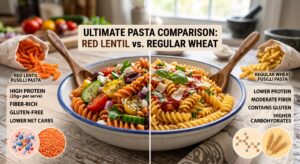

Healthy eating doesn’t have to mean giving up pasta, cookies, snacks or your family’s favourite comfort foods. Sometimes, small changes to familiar meals can make all the difference.
As parents, we want our families to eat well. We want our children to get enough nutrients, enjoy their meals and develop healthy eating habits that last a lifetime.
But real life doesn’t always go according to plan. Children have food preferences, busy mornings leave little time for elaborate breakfasts, and after a long day, preparing a completely different meal for everyone isn’t always practical.
The good news? You don’t need to overhaul your kitchen or eliminate every favourite food to make your family’s diet more nutritious.
The secret is to make small, sustainable changes to the foods your family already enjoys.
Here are seven practical ways to get started.
1. Upgrade the Ingredients, Not the Entire Meal
One of the easiest ways to improve everyday nutrition is to look at what goes into your family’s favourite foods.
Instead of removing familiar meals from the menu, explore ingredients that offer a different nutritional profile.
For example:
- Try red lentil pasta instead of regular wheat pasta when you want an option with more plant-based protein.
- Experiment with rice or quinoa pasta to introduce variety into your family’s meals.
- Add oats to homemade cookies or breakfast recipes.
- Include nuts, seeds and dried fruits in snacks your family already enjoys.
These changes don’t mean that one ingredient is automatically better for everyone. They simply give you more options to meet your family’s nutritional needs.
The goal isn’t to make food complicated. It’s to make everyday choices more intentional.
2. Make Protein a Part of Every Main Meal
Protein is essential for growth, tissue repair and maintaining the body’s normal functions. Children need adequate protein as they grow, while adults need it to maintain and repair body tissues.
Fortunately, adding protein to meals doesn’t require expensive ingredients or complicated recipes.
Here are some simple ideas:
- Breakfast: Serve besan chilla, eggs, yoghurt or milk alongside your usual breakfast.
- Lunch: Add dal, rajma, chole, paneer, tofu or curd to familiar meals.
- Dinner: Try lentil-based pasta with vegetables and your preferred sauce.
- Snacks: Offer roasted chana, yoghurt, nuts when age-appropriate, or other suitable protein-rich options.
For families who enjoy pasta, red lentil pasta can be another convenient way to include pulses in the meal. Check the nutrition label to compare its protein content with the pasta you usually buy.
You don’t need every meal to be perfect. Focus on variety across the day.
3. Add More Fibre Without Making Meals Feel Different
Dietary fibre supports normal digestive function and helps maintain regular bowel movements. Yet many families can benefit from including more fibre-rich foods in their everyday eating patterns.
The easiest approach is to build on what is already familiar.
Try these simple swaps and additions:
| Instead of only… | Try adding or choosing… |
|---|---|
| A breakfast of plain cereal | Oats, fruit, nuts or seeds |
| White pasta with sauce | Lentil pasta or pasta served with vegetables |
| A snack made entirely of refined flour | Homemade oat-based snacks |
| A meal with few vegetables | Finely chopped vegetables mixed into sauces, pulao or parathas |
| A sweet snack on its own | Fruit paired with yoghurt or another suitable food |
Remember that the fibre content of packaged foods varies. Compare nutrition labels rather than relying only on terms such as multigrain, millet-based or healthy.
If your family currently eats little fibre, increase it gradually and drink adequate fluids.
4. Make Vegetables Familiar, Not a Battle
If your child refuses vegetables, serving a completely unfamiliar vegetable dish may not be the easiest starting point.
Instead, introduce vegetables through foods your family already likes.
For example:
- Blend cooked carrots, tomatoes and other vegetables into pasta sauce.
- Add grated carrots or finely chopped spinach to parathas.
- Mix peas, beans and carrots into pulao.
- Add vegetables to homemade macaroni.
- Serve familiar vegetables alongside a preferred food rather than making the entire meal unfamiliar.
Involve children in washing vegetables, choosing ingredients or mixing a sauce. Repeated, pressure-free exposure can help children become more comfortable with new foods.
Avoid hiding every vegetable as the only strategy. When appropriate, let children see, explore and gradually learn to enjoy the ingredients they eat.
Healthy eating is a habit to build, not a battle to win at every meal.
5. Rethink Snacks Without Taking Away the Joy
Snacks are often where parents feel caught between convenience and nutrition.
Packaged snacks can be quick and appealing, but the most useful question isn’t simply whether a food is labelled healthy or unhealthy. Consider its ingredients, nutritional value, portion size and how it fits into your family’s overall diet.
Here are some practical ideas:
For busy mornings: Keep oats, fruit, yoghurt and other easy breakfast ingredients ready.
For after-school hunger: Offer fruit, homemade sandwiches, yoghurt, roasted chana or another snack that suits your child’s age and needs.
For baking days: Experiment with homemade oat or ragi cookies, using ingredients such as oats, ghee and jaggery if they suit your preferences.
For on-the-go snacking: Carry suitable portions of nuts, seeds or dried fruits for older children and adults.
Dried blueberries, cranberries and apricots can add fruity flavour and variety to trail mixes, breakfast bowls and homemade snacks. However, dried fruit is concentrated in natural sugars, and some varieties contain added sugar. Check the ingredients and nutritional information when choosing a product.
A homemade cookie can still contain substantial sugar or fat, just as a packaged product can vary considerably in its composition. What matters is the overall recipe, portion and frequency.
6. Read Food Labels Before Believing the Front of the Pack
Words such as multigrain, natural, high-protein and no added preservatives can catch our attention. But the front of a package rarely tells the whole story.
Before buying a packaged food, take a moment to check:
The ingredient list: Ingredients are generally listed in descending order by weight. Look at what makes up most of the product.
Protein and fibre: Compare the actual amounts, ideally per 100 g and per realistic serving.
Added sugar: Check whether sugar, syrups or other sweetening ingredients are included.
Serving size: A nutrition claim may look impressive until you realise it applies to a much larger serving than the amount your family typically eats.
Dietary suitability: If you need a gluten-free product, check the relevant labelling and manufacturing controls, not just the ingredient name.
As someone choosing food for your family, you don’t need to memorise every nutrition rule. Learning to read a few key details can help you make more informed decisions.
7. Build Better Meals, One Familiar Plate at a Time
You don’t need a separate menu for every family member. A balanced meal can often be built around foods everyone already recognises.
An easy starting point is to include a source of protein, vegetables or fruit, a suitable grain or other carbohydrate, and some healthy fats where appropriate.
Here is what that could look like in a typical day.
| Meal | A practical family-friendly idea |
|---|---|
| Breakfast | Oats with milk or yoghurt, fruit and a suitable topping |
| Mid-morning | Fresh fruit or another convenient snack |
| Lunch | Roti, dal, sabzi and curd |
| Evening snack | Homemade oat cookies with milk, or roasted chana |
| Dinner | Red lentil pasta with tomato sauce and vegetables, or rice with dal and sabzi |
This is only an example, not a fixed meal plan. Portion sizes and individual needs vary with age, activity, appetite and health requirements.
The important part is the pattern: a variety of foods, regular opportunities to eat, and meals that are realistic for your household.
A Few Changes Can Be a Good Beginning
Making family meals more nutritious doesn’t mean eliminating every food that contains sugar, refusing convenience foods or preparing elaborate recipes every day.
It means learning to make thoughtful choices more often.
You might start by adding dal to a meal, introducing oats at breakfast, including vegetables in pasta sauce or choosing a packaged food after checking its ingredients and nutrition label.
Choose one or two changes that feel manageable. Let your family adjust, and build from there.
Over time, these small decisions can help create a more varied and balanced eating routine without taking away the comfort, taste and enjoyment that make family meals special.
Frequently Asked Questions
1. How can I make my child’s favourite foods healthier?
Start with small additions or ingredient changes. Add vegetables to pasta sauce, serve fruit alongside breakfast, include protein-rich foods at meals or experiment with different grains and pulses. Keep meals enjoyable and avoid pressuring children to finish foods they dislike.
2. Is lentil pasta healthier than regular pasta?
It depends on the products being compared and your nutritional goals. Lentil pasta can provide more plant-based protein and sometimes more fibre than conventional wheat pasta. Compare the nutrition labels, ingredients and serving sizes before deciding.
3. Are homemade snacks always healthier than packaged snacks?
Not necessarily. Homemade snacks allow you to control the ingredients, but their nutritional value still depends on the recipe and portion size. Packaged snacks also vary, so reading the label is useful.
4. How can I encourage my child to eat more vegetables?
Offer small portions alongside familiar foods, involve your child in meal preparation and reintroduce vegetables without pressure. Some children need multiple opportunities to become comfortable with a new food.
5. Do I need to eliminate sugar completely for my family to eat healthily?
Not necessarily. A balanced diet can include occasional sweet foods. Focus on the overall dietary pattern, moderate portions and limiting excessive added sugar rather than expecting every food to be perfect.
Our Philosophy at PanjabFresh
At PanjabFresh, we believe that better everyday eating should feel achievable, not overwhelming.
That’s why we focus on food products that give families more choices, from lentil-based pasta and rice pasta to oat-based snacks and dried fruits. Our aim is to make it easier to explore different ingredients and bring variety to familiar meals.
We believe that better food choices begin with better information. Understanding ingredients, checking nutrition labels and choosing foods that suit your family’s needs can help you make decisions with greater confidence.
Because eating better shouldn’t mean giving up the foods you love. It should mean finding more ways to enjoy them.
Explore PanjabFresh and discover more ways to bring variety to your everyday meals.