Pasta is one of those foods that almost everyone loves.
It is comforting, easy to cook, incredibly versatile—and for many families, especially children, it is an easy meal that everyone enjoys.
But when you walk into a store today, you may find pasta made from wheat, whole grains, lentils, quinoa, millets, vegetables and many other ingredients.
So, what actually makes pasta healthy?
Is pasta without maida better? Is red lentil pasta healthier than regular pasta? What about millet pasta? And how do you choose a pasta that is genuinely made with better ingredients without sacrificing the taste you love?
At PanjabFresh, these are questions we think about every day.
Our philosophy is simple:
Food should taste delicious first—and better ingredients should make you feel good about eating it.
What is healthy pasta?
There isn’t one single definition of “healthy pasta.”
A better way to look at it is to consider what the pasta is made from, how much protein and fibre it provides, what ingredients are added, and how it fits into your overall diet.
Traditional pasta is commonly made from wheat or refined wheat ingredients. Alternative pastas can use ingredients such as lentils, chickpeas, quinoa, oats, millets or vegetables.
The important thing is not simply the word “healthy” on the package.
Look at the ingredient list.
A pasta made with a simple, recognizable ingredient can be a very different product from one that relies on multiple refined ingredients, artificial colours or unnecessary additives.
1. Look at the first ingredient
One of the easiest ways to understand a pasta is to turn the packet around and read the ingredient list.
If you’re buying red lentil pasta, for example, you should be able to see red lentils or red lentil flour prominently in the ingredients.
If you’re buying millet pasta, look for the actual millets used.
At PanjabFresh, we believe the ingredients should be easy to understand.
No complicated food science lesson should be required to figure out what you’re eating.
2. Pasta without maida
“No maida” is becoming an increasingly popular consideration for Indian consumers looking for alternative pasta and convenience foods. Research from Mintel has also found significant consumer interest in alternatives to maida in instant noodles, pasta and soups.
But removing maida alone doesn’t automatically make a product nutritious.
The replacement ingredient matters.
For example, pasta made primarily from lentils can naturally contribute protein and fibre, while pasta made from different whole grains or millets can provide a different nutritional profile.
So instead of simply asking:
“Is this pasta without maida?”
also ask:
“What is it made from instead?”
3. Red lentil pasta: more than just another pasta
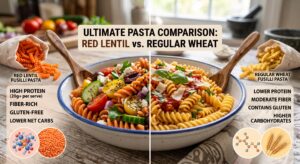
Red lentil pasta is an interesting alternative because the main ingredient is lentil rather than traditional wheat flour.
Lentils are naturally known for their protein and fibre content, making them an attractive ingredient for people looking to include more plant-based foods in their diets.
But there is another question that matters just as much:
Does it actually taste good?
We think it should.
Our Red Lentil Fusilli is made with more than 90% red lentil flour.
And our goal was never to create a product that makes you feel like you’re eating lentils instead of pasta.
It should still feel like pasta.
The texture, shape and experience should work with the sauces you already love—from a simple tomato sauce to pesto, cheese sauce or your favourite Indian-inspired pasta recipe.
4. What about millet pasta?
Millets have been part of Indian food traditions for generations.
Today, ingredients such as ragi, jowar and bajra are finding their way into modern foods, including pasta.
Our Multi Millet Penne combines these three millets to create a pasta that brings something different to the table without trying to completely change the pasta experience.
All the comfort of pasta, with a subtle touch of millet.
That’s how we think about it.
You don’t have to give up the foods you love to explore better ingredients.
5. Don’t forget fibre
Fibre is another important part of the conversation when choosing pasta.
Depending on the ingredients used, some alternative pastas can provide more fibre than highly refined versions.
But again, don’t rely only on the front of the package.
Check the nutrition panel.
Look at:
- Dietary fibre
- Protein
- Total carbohydrate
- Sugars
- Total fat
- Serving size
- Ingredient list
The nutrition panel gives you much more useful information than a marketing claim alone.
6. Healthy food should still taste good
This is perhaps the most important part.
There is a common idea that when you choose healthier food, you have to compromise on taste.
We don’t agree.
Food is part of everyday life. It should be enjoyable.
If a product is incredibly nutritious but nobody wants to eat it again, it is difficult for that product to become part of everyday eating.
That’s why we approach our products differently.
Taste comes first. Ingredients come next.
Our aim is to make food that you can serve to your family without feeling that you’ve had to choose between delicious and better ingredients.
7. What should you look for when buying healthy pasta?
The next time you’re shopping for pasta, turn the packet around and ask these simple questions:
Is the ingredient list simple?
Can you understand most of the ingredients without needing a dictionary?
What is the main ingredient?
Is it lentil, millet, quinoa, wheat or something else?
How much protein does it contain?
Protein content can vary significantly between different pasta products.
How much fibre does it provide?
Fibre is another useful number to compare.
Does it contain unnecessary ingredients?
Look beyond the marketing claims and read the complete ingredient list.
Will your family actually enjoy eating it?
Because ultimately, food needs to taste good.
Healthy pasta doesn’t have to taste “healthy”
We believe this is where the future of better food is heading.
You shouldn’t have to sit down with a bowl of pasta and think:
“This is healthy, so I’ll tolerate the taste.”
You should simply think:
“This is delicious.”
And then feel good knowing that you chose ingredients you can understand.
That’s the idea behind PanjabFresh.
We are building food products inspired by the ingredients we believe deserve a bigger place in everyday Indian kitchens—from red lentils and millets to oats, vegetables and other naturally familiar ingredients.
Not complicated.
Not over-processed in positioning.
Just food made thoughtfully.
Try a different kind of pasta
If you’re looking to explore pasta made with alternative ingredients, start with something familiar.
Try our Red Lentil Fusilli if you want pasta made with 100% red lentil flour.
Try our Multi Millet Penne if you’d like to bring ragi, jowar and bajra into your pasta bowl.
And if you’re cooking for children or simply looking for something colourful and fun, our Multi Veggie Macaroni brings vegetables into a pasta format the whole family can enjoy.
Because better food doesn’t have to mean giving up the foods you love.
It can simply mean choosing better ingredients.
Taste the Freshness of Panjab.
Explore PanjabFresh’s range of pastas, cookies and thoughtfully made foods.
Written by Dr. Raminder Kaur
Food Innovation & Production | Founder, PanjabFresh